
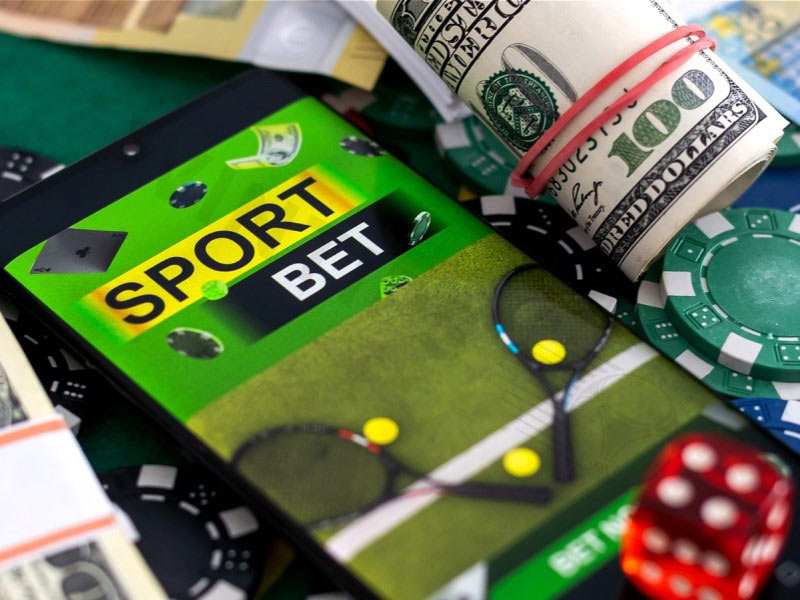
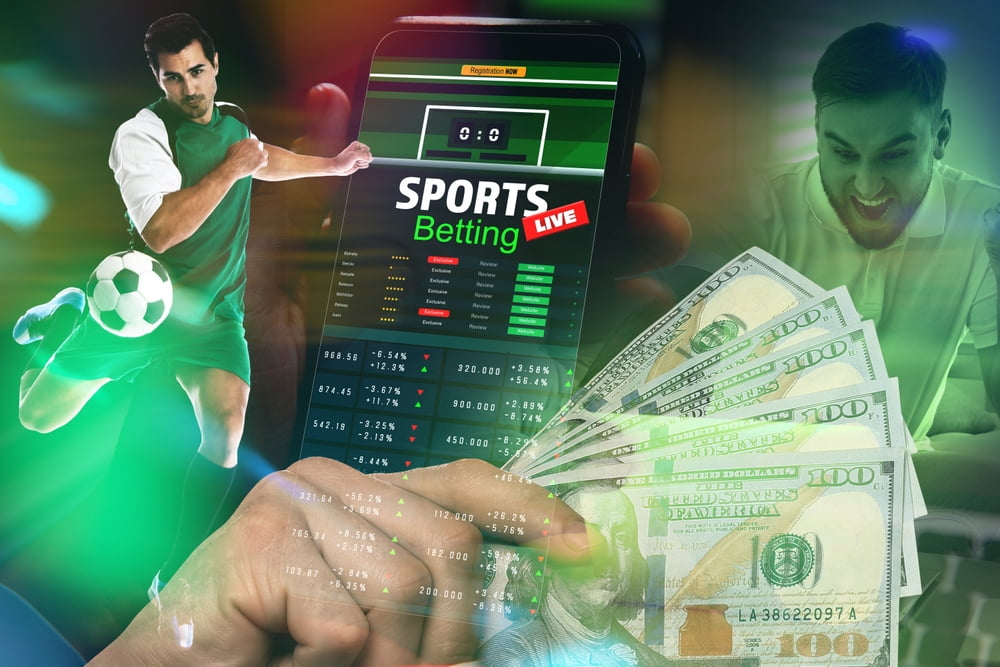
Imagine you’re watching a football match, and instead of analyzing who looks tired, you literally see the striker’s heart rate spike on your betting app, right before he takes a penalty. You know he’s nervous. The odds adjust instantly. Your finger hovers over the screen like a doctor with a scalpel. Welcome to the age where betting and biometric data may soon shake hands… or wrap themselves around your wrist like a sweaty smartwatch.
Wearables started as innocent gadgets counting steps and tracking how many times you pretended to jog. Now? They’re quietly becoming data grenades. Heart-rate monitors, oxygen saturation trackers, muscle strain sensors – they’re collecting metrics that could predict performance like a psychic with Bluetooth.
Biometrics + Betting = A Match Made in Silicon
If betting used to be about gut feeling, sports journalism clichés, and your uncle yelling at the TV… biometric data might turn it into a science project. Imagine a tennis match where sensors detect dehydration, micro-tears in muscle fibers, or stress levels. Before the player even asks for a medical timeout, bookmakers would already know the odds are shifting. And you, holding your phone like a Wall Street broker, would suddenly feel like you’re investing in biology, not sports.
This isn’t sci-fi. Smart uniforms, stress-detecting wearables, and performance chips embedded in shoes already exist. Teams are using them. Athletes are training with them. Sports broadcasters are flirting with the idea of using them live. So how long before betting platforms are doing the same?
And speaking of platforms…
Right now most betting apps still operate on stats, AI models, and user patterns. But imagine pairing that with live biometric reads. Odds could shift based on cortisol levels or even micro-sweat changes. You could see it on your screen faster than the coach sees it on the bench.
That’s where platforms like 22Bet come into the conversation.
They already lead the charge with diverse markets and tech-driven betting tools. If wearables enter the game, apps like 22Bet could be among the first to gamify human biology.
Fantasy Meets Reality: eSports Bettors and AI Simulations
Now let’s talk pixels and keyboards. Esports bettors aren’t waiting for the future – they already live in it. In the gaming world, players don’t sweat (well, not physically), but their performance is predictable in other ways. AI simulations are the new oracle.
Fans are running entire simulated matches using AI scrims, analyzing character picks, map weaknesses, reaction time patterns, and even mouse trajectory fatigue. It’s like Fantasy Football moved into a tech lab, grabbed an energy drink, and refused to leave.
These tools generate probabilities based on millions of micro-actions. If a player tends to choke on certain maps or statistically underperforms after a weapon patch, AI sees it first. Bettors don’t just watch games — they test hypothetical universes. Some even run multiple simulations like mad scientists deciding whether Team Liquid triumphs or implodes.
So What Happens Next?
Picture two worlds merging. Real sports using biometric odds, and eSports using hyper-predictive simulations. In both arenas, betting becomes less emotional and more algorithmic. Less “follow your gut,” more “follow the data.” But here’s the ironic twist: no matter how smart wearables or AI become, humans remain unpredictable.
Athletes get angry. Gamers panic. Someone’s smartwatch might scream “exhaustion!” right before they score the winning point. A top esports player might statistically lose on a map and still pull the greatest match of his life because the crowd went wild.
Technology creates insight, but chaos still writes the script.
In the End, Betting Will Be Part Tech, Part Heart
Wearables might read stress. AI might forecast matches like crystal balls plugged into USB docks. But betting will always live somewhere between probability and unpredictable brilliance. And that beautiful irrational gap? That’s where bettors still find joy — cheering, shouting, believing, and losing sleep over a striker’s pulse or a gamer’s shaky mouse hand.
The future won’t kill the mystery. It will just measure it.

Leave a Reply